Last summer, during a triple-digit heatwave in Texas, I watched my electric bill climb higher than the thermometer. I had already done the usual things, sealed the front door, replaced weatherstripping, even added reflective film to the south-facing windows. But the living room still felt like a greenhouse by three in the afternoon. That was the year I finally understood that a home is only as efficient as its windows.
Windows are often the weakest link in a home's thermal envelope. Even double-pane units from the early 2000s can lose a surprising amount of conditioned air. If your home was built before the latest energy codes took effect, or if your windows are more than fifteen years old, an energy efficient window upgrade might be one of the smartest investments you can make. Not every window needs replacing, but knowing when to upgrade makes all the difference.
How Windows Lose Energy
Heat moves through windows in four main ways: conduction through the glass and frame, convection through the air gap (or lack of it), radiation through the glass, and air leakage around the sash. Older windows typically use clear glass with a low-emissivity coating that has degraded over time, or no coating at all. The frame material matters too. Aluminum frames conduct heat readily, while vinyl, fiberglass, and wood composites offer better insulation.
When I replaced the original windows in my 1990s-built house, the difference was immediate. The new units had low-e coatings, argon gas fills, and warm-edge spacers. Those features reduced heat gain in summer and heat loss in winter. The house stayed more comfortable, and the HVAC system ran less often. That, in a nutshell, is what an energy efficient window upgrade delivers, not just lower bills, but a more comfortable home year-round.
Signs It Is Time for an Upgrade
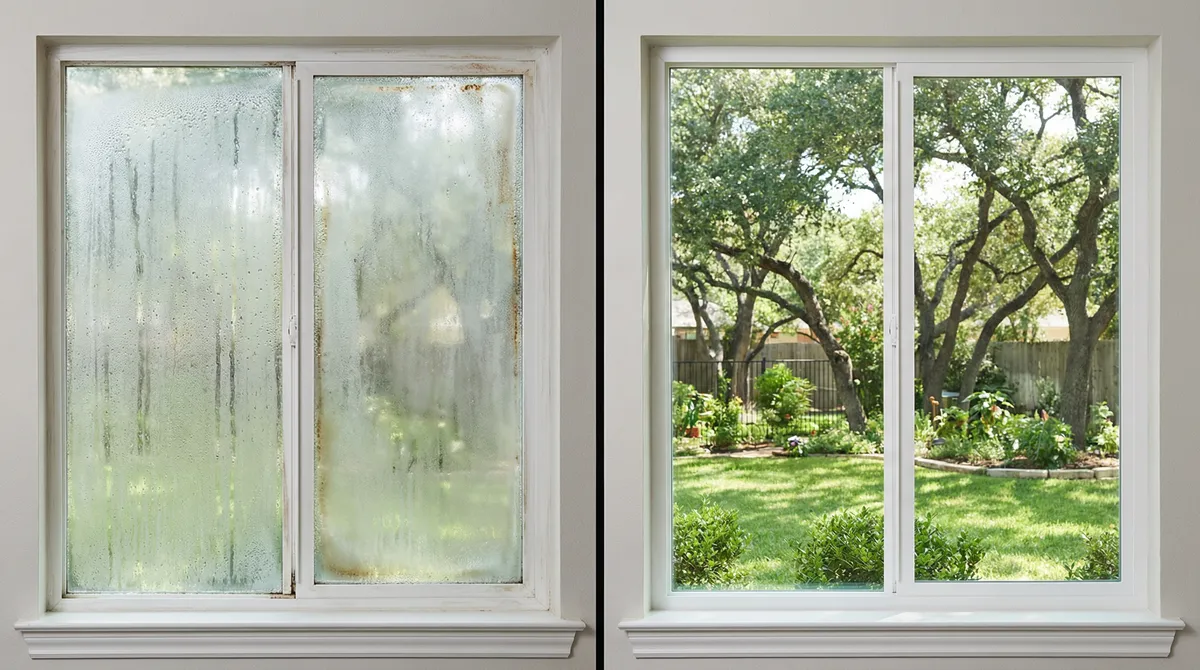
Not every drafty window needs to go. Sometimes a good caulk job or a new sash kit can buy you years. But certain signs point strongly toward replacement. If you see condensation between the panes of a double-glazed window, the seal has failed. That means the insulating gas has leaked out, and the window is performing more like a single pane. Foggy glass is not just an eyesore; it is a clear signal that the window has lost its thermal value.

Other indicators include visible damage to the frame, difficulty opening or closing the window, and obvious drafts around the sash even after weatherstripping. If your windows are single-pane, the case for replacement is even stronger. Single-pane windows have an R-value of around 1, whereas a modern double-pane low-e window can reach R-5 or better. That difference adds up fast in a climate with hot summers and cold winters.
One practical test: on a cold day, hold your hand near the glass. If you feel a noticeable chill, the window is losing heat. Another test: check your energy bills for the same month year over year. If costs are rising faster than utility rates, your windows may be part of the problem.
What Makes a Window Energy Efficient
When you start shopping for an energy efficient window upgrade, you will encounter several key specifications. The U-factor measures how well the window insulates. Lower is better. The solar heat gain coefficient (SHGC) tells you how much solar radiation passes through. In a hot climate, you want a lower SHGC to block heat. In a cold climate, a higher SHGC can help warm the home passively. Visible transmittance (VT) measures how much light comes through. You want a high VT for daylighting, but sometimes it trades off against SHGC.
Low-e coatings are microscopic layers of metal oxide applied to the glass. They reflect infrared radiation while letting visible light pass. Some coatings are designed for hot climates, others for cold. A double- or triple-glazed window with low-e coating and an inert gas fill like argon or krypton will outperform a basic double-pane unit by a wide margin.
The frame also matters. Vinyl and fiberglass frames offer good insulation with minimal maintenance. Wood frames insulate well but require painting or staining. Aluminum frames conduct heat, but some manufacturers add thermal breaks, plastic strips that separate the interior and exterior parts of the frame, to improve performance.
Cost vs. Value: The Real Trade-Off
An energy efficient window upgrade is not cheap. Depending on the size, style, and material, a single window can cost anywhere from $400 to $1,200 installed. For a whole house, the total can run into five figures. That number can be intimidating, but the return comes in several forms.
First, energy savings. The Department of Energy estimates that heat gain and loss through windows account for 25% to 30% of residential heating and cooling energy use. Replacing old windows with efficient ones can cut that portion significantly. In my own home, the savings paid back the cost in about seven years through lower electric bills. Second, comfort. Rooms near new windows stay closer to the thermostat setting, which means fewer hot and cold spots. Third, resale value. Real estate agents and appraisers note that updated windows are a selling point, especially when the buyer knows they will not have to replace them soon.
There is also the federal energy tax credit for certain window products, though the rules change often. Some local utilities offer rebates for qualifying upgrades. It is worth checking with your power company and your tax preparer before you buy.
Installation Matters as Much as the Window
A high-performance window installed poorly will perform like a mediocre one. The gap between the window frame and the rough opening must be sealed and insulated correctly. Flashing, caulk, and expanding foam all play a role. Water management is critical too, a window that leaks air will eventually leak water if the drainage paths are blocked.
I once helped a friend install a beautiful triple-pane window in a 1920s bungalow. We spent most of the day on the framing and flashing, making sure everything was square and level. The window itself went in quickly. That attention to the installation is what guarantees the window will perform for decades. If you are hiring a contractor, ask about their experience with energy-efficient window installations. Look for someone who understands air sealing and water management, not just someone who can pop a window into a hole.
Prioritizing Which Windows to Replace
If a whole-home replacement is not in the budget, start with the windows that face the sun and the wind. South- and west-facing windows get the most solar gain in summer. Replacing those first will give you the biggest drop in cooling costs. North-facing windows in cold climates are also worth prioritizing, since they lose heat steadily through the winter.
Consider the rooms you use most. The living room, kitchen, and home office will benefit more from comfort improvements than a guest bedroom that stays closed most of the year. A phased approach, replacing two or three windows each year, can make the investment manageable while still moving toward a more efficient home.

An energy efficient window upgrade does not have to mean replacing every window at once. The key is to start with the ones that give you the most pain, the drafty ones, the foggy ones, the ones that bake you in the afternoon. Each replacement is a step toward a home that costs less to operate and feels better to live in.
Connect with us on Instagram.
For homeowners in the DFW area, Apex Windows & Glass, located at 7200 W University Dr, McKinney, TX 75071, USA, and reachable at +1 214-263-3008, is a local provider specializing in foggy glass repair, commercial glass services, and whole-home window replacements with warranties and free estimates.